How to Prepare Your Home for a New Puppy
Bringing a new puppy into your home is an exciting adventure. But before you welcome your furry friend, it’s essential to prepare your home for their arrival. This ensures a smooth transition for both you and your new companion. Here's how to get ready for your new puppy and make the adoption experience enjoyable and stress-free.
Puppy Adoption: Assessing Your Readiness
Before adopting a puppy, it’s important to assess your readiness. Puppies require time, attention, and care. Make sure you’re fully committed to providing for their needs. Many people underestimate the commitment involved in dog ownership. According to the American Society for the Prevention of Cruelty to Animals (ASPCA), dogs require at least 30 minutes of exercise each day, not to mention training, grooming, and lots of social interaction.
Preparing Your Home: Create a Safe Space
A safe space is crucial for your new puppy. Choose an area in your home where the puppy can relax without being disturbed. This could be a designated room or a corner with a cozy bed and some toys. Make sure to puppy-proof the space by removing any dangerous items such as electrical cords, toxic plants, and small objects that could be swallowed.

In addition to creating a comfortable bed, consider installing baby gates to restrict access to certain areas of your home. This will help keep your puppy safe and give you peace of mind while they explore their new environment.
Purchasing Necessary Supplies
Before your puppy arrives, stock up on essential supplies. Here’s a checklist of items you’ll need:
Dog Food and Bowls: Choose high-quality puppy food appropriate for your puppy’s age and breed. Always have clean water available.
Bedding: A comfortable, washable bed will provide a safe space for your puppy to rest.
Toys: Select a variety of toys for chewing, fetching, and interacting. This helps stimulate your puppy mentally and physically.
Leash and Collar: Ensure the collar fits properly and includes an ID tag with your contact information.
Crate: A crate can be a helpful tool for training and providing a safe space for your puppy when you’re not around.
By gathering these items in advance, you'll be well-prepared for your new roommate. It’s important to note that the right supplies can make a significant difference in your puppy's adjustment to their new home.
Training Basics for Your New Puppy
Training should start as soon as your puppy arrives. Consistency and patience are key. Here are a few essential training tips:
Start with Basic Commands: Teach basic commands like sit, stay, and come. Use treats and positive reinforcement to encourage good behavior. It’s helpful to choose a specific word or phrase for each command.
Socialization: Expose your puppy to various environments, people, and other dogs to help them adjust to different situations. Puppy classes can be beneficial for socialization and basic training.
Potty Training: Designate an outdoor area for potty breaks and establish a consistent schedule. Praise your puppy after successful bathroom trips to reinforce positive behavior.
Proper training from the outset will not only help your puppy learn good habits but will also strengthen your bond.
Puppy-Proofing Your Home
Puppy-proofing goes beyond creating a safe space. Take the time to evaluate your home for any hazards. Here are some steps to follow:
Remove Hazards: Check for items that your puppy could chew on, such as shoes, furniture, or electrical cords. Store away toxic substances like cleaning supplies and medications.
Secure Trash: Puppies are naturally curious and may scavenge through your trash. Use a trash can with a lid to avoid potential hazards.
Install Child Locks: If you have cabinets that contain harmful substances, use childproof locks to keep them secure.
By taking these precautions, you’ll create a safe living environment for your new puppy.
Preparing Family Members for the New Arrival
It’s essential to prepare your family members for the changes that come with adopting a puppy. Discuss responsibilities and set clear expectations:
Assign Tasks: Decide who will be responsible for daily feeding, walking, grooming, and training. This ensures that everyone participates in caring for the puppy.
Educate Young Children: Teach children how to interact gently with the puppy. Explain the importance of not bothering the puppy while they eat or sleep.
Set Boundaries: Establish areas in the home where the puppy is allowed and off-limits. This helps maintain peace and order in the household.
Involving the whole family in the puppy preparation process fosters excitement while ensuring that everyone is ready for the responsibility ahead.
The First Few Days with Your New Puppy
The first few days after bringing your puppy home are crucial for establishing routines and helping them settle in. Here are some tips to make this adjustment period easier:
Establish a Routine: Puppies thrive on routine. Create a schedule for feeding, walks, and playtime. Consistent routines will help your new pet feel secure.
Monitor Behavior: Keep an eye on your puppy’s behavior and health during the first few days. Look for any signs of stress or illness, and don’t hesitate to consult a veterinarian.
Provide Plenty of Love: Give your puppy plenty of affection and attention to help them feel comfortable in their new environment.
By creating a solid foundation during these initial days, you’ll set the stage for a happy, healthy relationship with your new furry friend.
Ongoing Care and Training
As your puppy grows, ongoing care and training remain essential. Regular veterinary check-ups, grooming, and continued socialization are vital for your puppy’s health and happiness. Additionally, consider enrolling in obedience classes as your puppy matures to further foster good behavior.
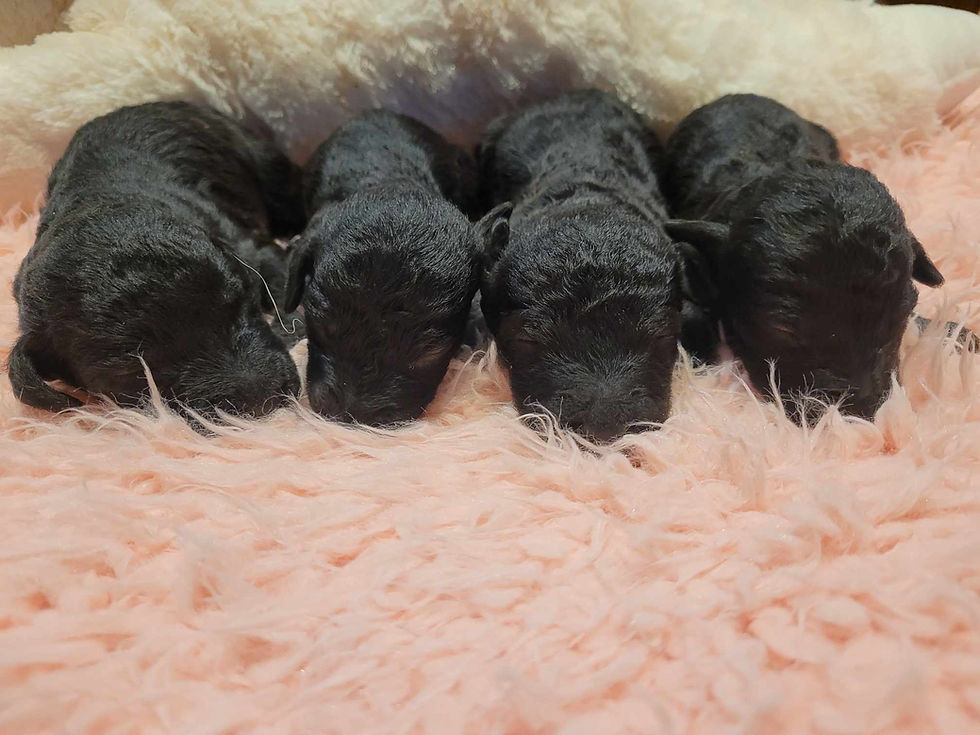
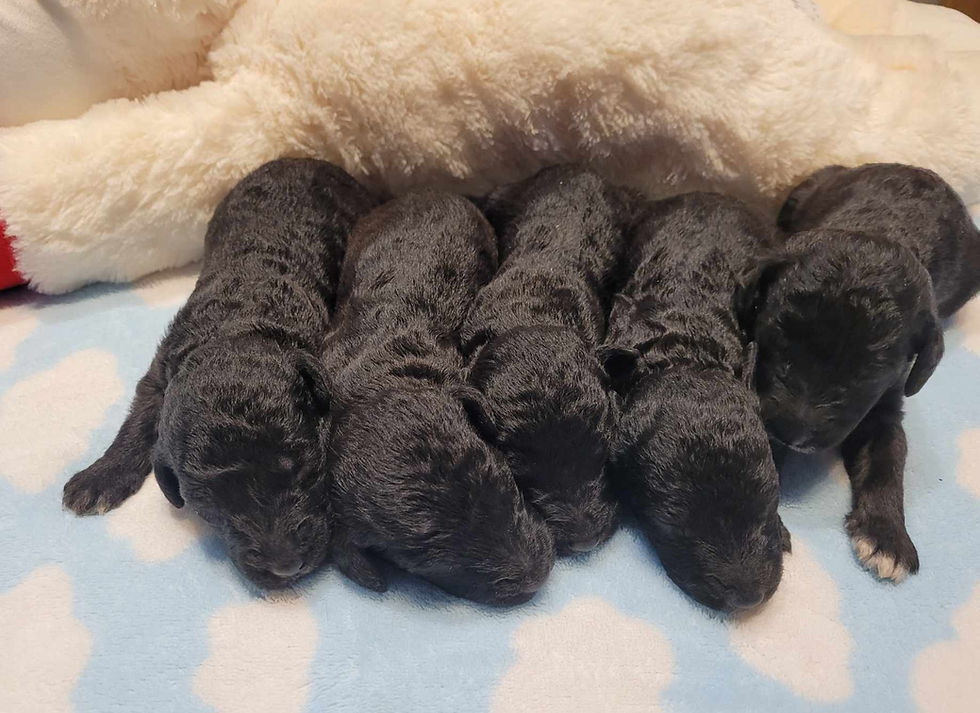
Puppies like bedlington terrier puppies require dedicated attention and training, and staying proactive with their care will lead to a well-adjusted dog.



Comments