Is a Bedlington Terrier for Dog Sports Right?
A Bedlington Terrier flying over a jump tends to change people’s minds very quickly. Those who only know the breed by its outline or coat are often surprised by the speed, focus, and athleticism underneath. If you are considering a bedlington terrier for dog sports, the better question is not whether the breed can compete, but which sports best suit the individual dog in front of you.
Bedlington Terriers were not developed to be ornamental dogs. They are true terriers, with grit, intelligence, and a real working background. That history matters. It helps explain why many Bedlingtons enjoy having a job, why they can be quick learners, and why they often do best when training is thoughtful rather than repetitive. For active homes, that combination can be a very good fit.
Why a Bedlington Terrier for Dog Sports Makes Sense
The Bedlington has several qualities that lend themselves well to sport. The breed is agile, light on its feet, and naturally athletic. Many are fast enough to enjoy games that involve chasing, turning, and problem-solving. They also tend to be highly aware of their surroundings, which can be useful in sports that require responsiveness and engagement with a handler.
Temperament is just as important as structure. A well-bred Bedlington should be lively without being frantic, confident without being reckless, and affectionate enough to enjoy working in partnership with its family. That balance is a big part of what makes the breed versatile. A dog can relax at home, then switch on when it is time to train or compete.
That said, not every Bedlington will approach sport in the same way. Some are intensely toy-driven. Others work better for food, praise, or the rhythm of the game itself. Some mature early and show obvious interest in training, while others need more time to build confidence. This is one reason responsible breeding matters so much. Health, soundness, and stable temperament are not extras when sport is part of the goal.
Best Sports for Bedlington Terriers
Agility is often the first sport people think of, and for good reason. Bedlingtons can be quick, flexible, and enthusiastic over equipment when introduced correctly. Their speed and nimbleness can make them very fun to handle. The trade-off is that terriers are not robots. If training is unclear or motivation drops, they may offer their own opinion about the course. Handlers who keep sessions upbeat and fair usually get the best effort.
Rally is another strong option, especially for owners who want structured teamwork without the intensity of a full agility environment. Rally allows a Bedlington to use its brain, stay close to the handler, and build polished obedience skills in a more dynamic format. For some dogs, rally becomes a great foundation that later supports agility or obedience.
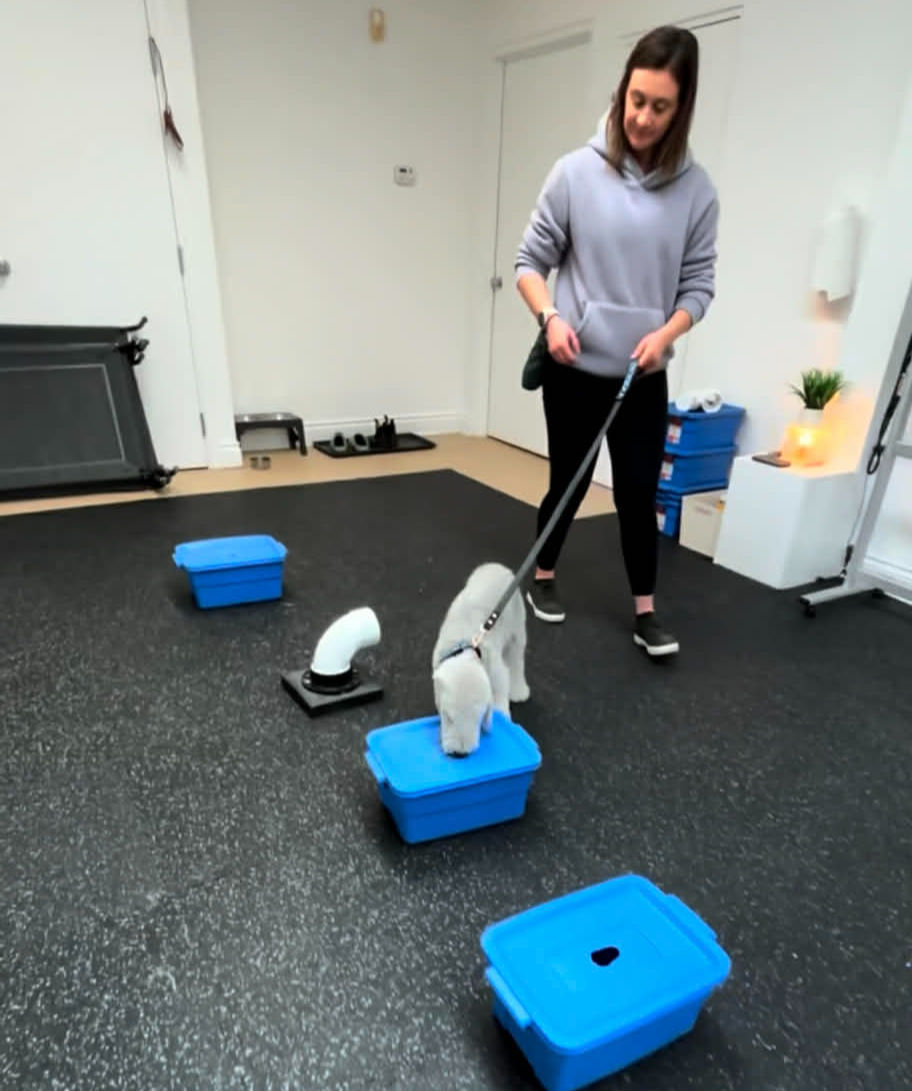
Scent work can be an excellent match as well. Bedlingtons are bright, curious dogs, and many enjoy searching. Scent work is especially useful for dogs that may be physically capable but not ideally suited to high-impact repetition, or for owners who want a mentally rich sport they can train in many settings. It can also build confidence in dogs that are still maturing.
Fast CAT and similar sprint-style events can appeal to the breed’s natural enthusiasm for running. Many Bedlingtons genuinely love to move. These sports can be exciting outlets, but they do require good conditioning and sensible expectations. A fit dog with solid muscle tone and sound structure is better prepared than one whose activity has been mostly casual walks.
Barn hunt and earthdog-style interests may also appeal to the terrier side of the breed, though interest varies by individual. Some Bedlingtons show strong natural drive for this type of work, while others are more interested in movement-based sports or close teamwork with their people. This is where watching the dog honestly matters more than choosing a sport by stereotype.
What to Look for in a Sport Prospect
If your goal is a Bedlington Terrier for dog sports, start with the whole dog, not just excitement as a puppy. A busy, bold puppy may grow into a nice sport partner, but early energy alone is not the same as long-term stability. You want sound movement, sensible recovery from new experiences, willingness to engage, and a temperament that can handle stimulation without falling apart.
Structure matters more than many first-time sport owners realize. Good movement, balanced angulation, and overall soundness support performance and longevity. A dog does not need to be extreme to do well, but it does need to be put together correctly. That is one reason breeders involved in preservation and conformation often bring valuable perspective to sport homes. Correct type and athletic function are not separate conversations.
You should also think about your own goals. Are you hoping to earn titles on weekends, train for fun, or seriously compete? Do you want a dog that can try several venues, or one selected with a specific sport in mind? There is no wrong answer, but being clear helps match expectations with the right puppy.
Training a Bedlington Without Taking the Joy Out of It
Bedlingtons usually respond best to training that is consistent, clear, and engaging. Heavy-handed handling tends to dull enthusiasm or create resistance. On the other hand, a lack of structure can produce a clever dog that learns when the rules do and do not apply. The sweet spot is fair leadership with plenty of positive reinforcement.
Short sessions are often more productive than drilling. Many Bedlingtons enjoy learning, but they do not always enjoy needless repetition. If the dog understands the task, reward progress and move on before enthusiasm fades. This keeps confidence high and preserves the attitude most owners want in a sport dog.
Socialization also deserves careful attention. A sport prospect should be comfortable with surfaces, noises, travel, crates, strangers, and dogs working nearby. Confidence in these areas does not happen by accident. It is built through calm, positive exposure over time. A dog that can settle, focus, and recover well will usually enjoy competition more than one that is constantly overwhelmed.
Physical development should be respected too. Young dogs need age-appropriate conditioning, not intense impact before their bodies are ready. Foundation skills, body awareness, balance work, recalls, engagement, and confidence-building are all valuable long before serious jumping or repetitive strain enters the picture.
The Trade-Offs Owners Should Understand
The Bedlington is capable, but capability is not the same as sameness. Owners coming from breeds developed specifically for obedience precision or nonstop handler focus may find a Bedlington refreshingly spirited or mildly humbling, depending on the day. This breed often brings personality to the work.
That is not a flaw. It simply means training should respect who the dog is. A Bedlington may give you brilliance, speed, and genuine joy in performance, but it may also ask for variety, motivation, and patience. If you enjoy building a partnership with a smart, athletic terrier, that is part of the appeal.
There is also the question of household fit. A dog that thrives in sports still needs to live successfully as a family member. For many buyers, that balance is exactly what makes the breed attractive. A well-bred Bedlington can be active and versatile without being too much dog for the home. At Integrity Kennels, that combination of health, temperament, and purpose is central to how the breed should be raised and evaluated.
Is This Breed the Right Sport Partner for You?
If you want a flashy dog that is athletic, intelligent, and distinctly terrier in character, a Bedlington may be a very rewarding choice. If you want absolute predictability in training style and a one-note work ethic, it may depend on the individual dog and your experience level. The breed can do well in sports, but success comes from good breeding, honest expectations, and patient training.
For the right owner, a Bedlington is not just capable of titles. It is fun to live with, enjoyable to train, and satisfying to watch develop. That matters more than picking a breed based on trends or assumptions. The best sport dog is not simply the fastest one in class. It is the one whose mind, body, and temperament fit your life well enough that training remains a pleasure long after the novelty wears off.
If you are considering this breed, take your time and ask good questions. A thoughtful start gives a promising dog the best chance to become what every owner hopes for - a sound companion at home and an eager partner when it is time to work.



Comments